The Physic Garden
A garden exploring the plants that shaped medicine — from traditional household remedies and the apothecary’s herbs to plants that gave rise to modern medicines.
The Story of the Garden
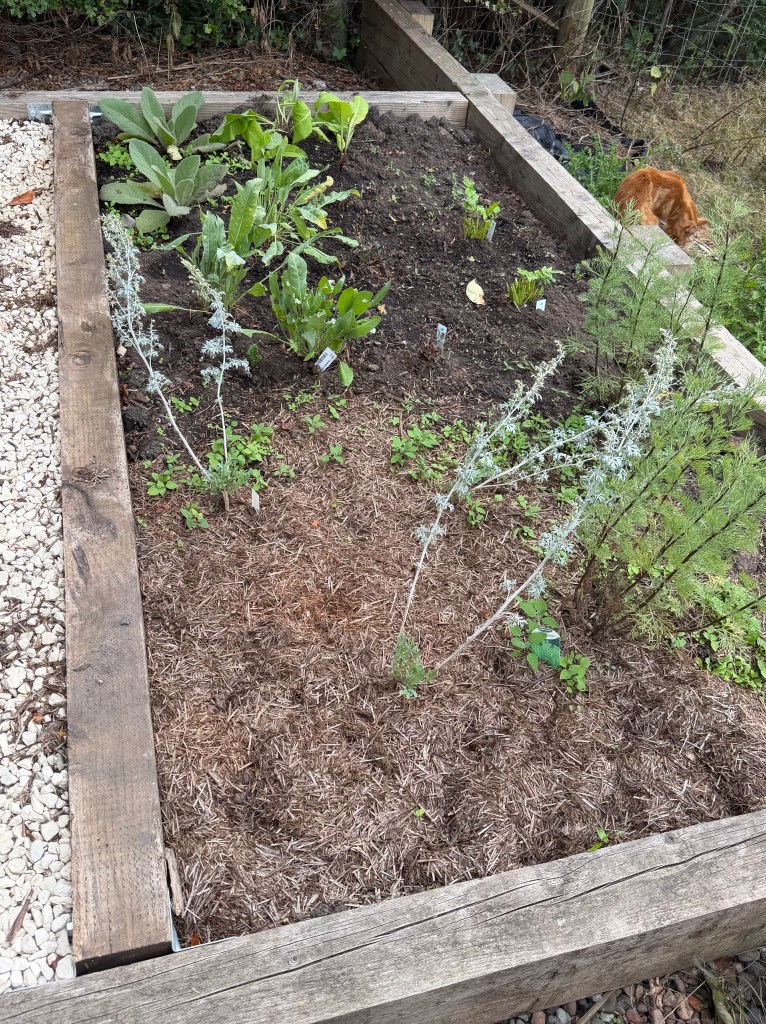
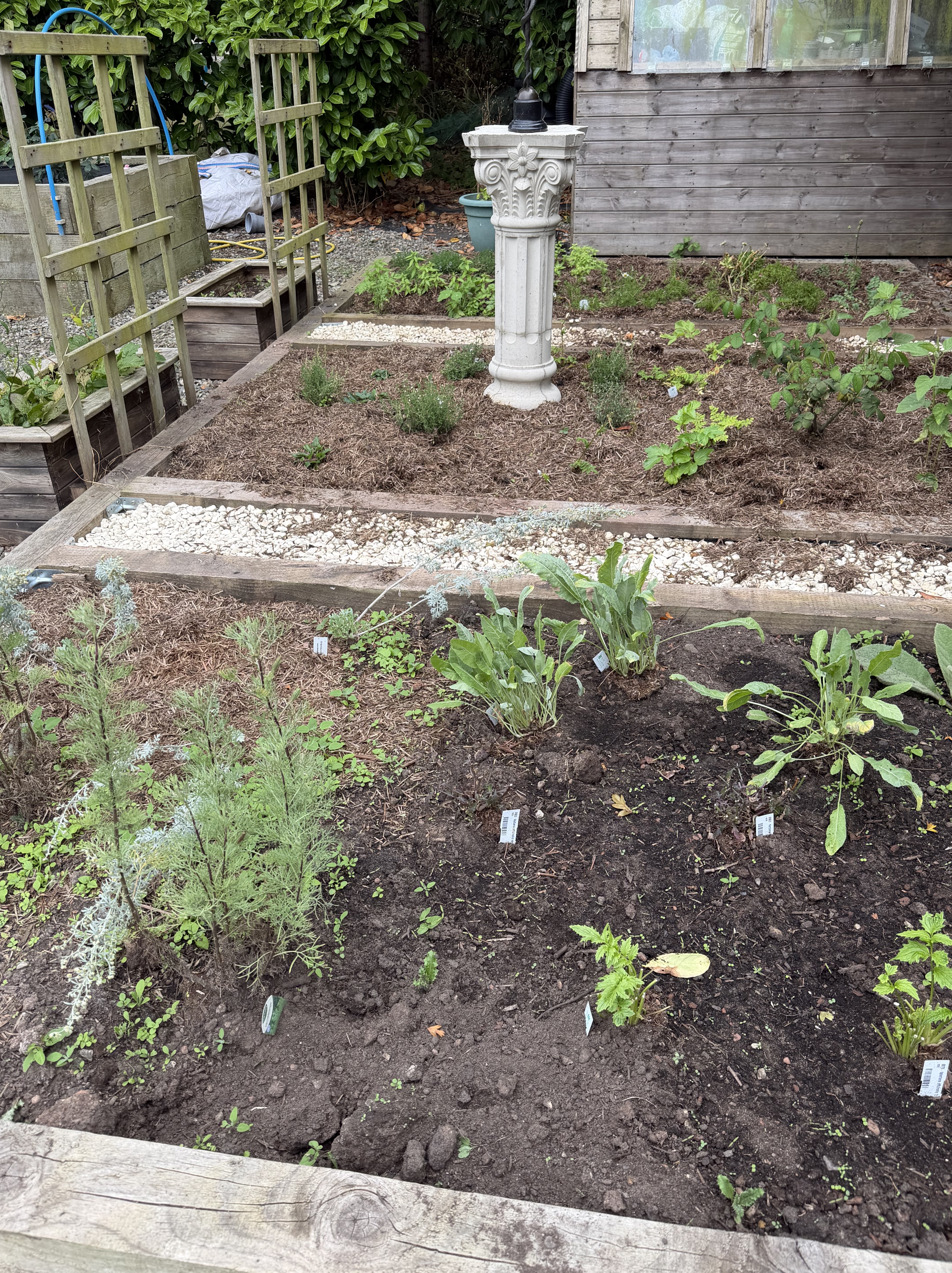
The Physic Garden was created to explore the long relationship between plants and medicine. Its three beds follow that story from plants used as traditional household remedies, through the herbs of physicians and apothecaries, to more potent plants whose active ingredients helped shape modern medicine.
The Rod of Asclepius
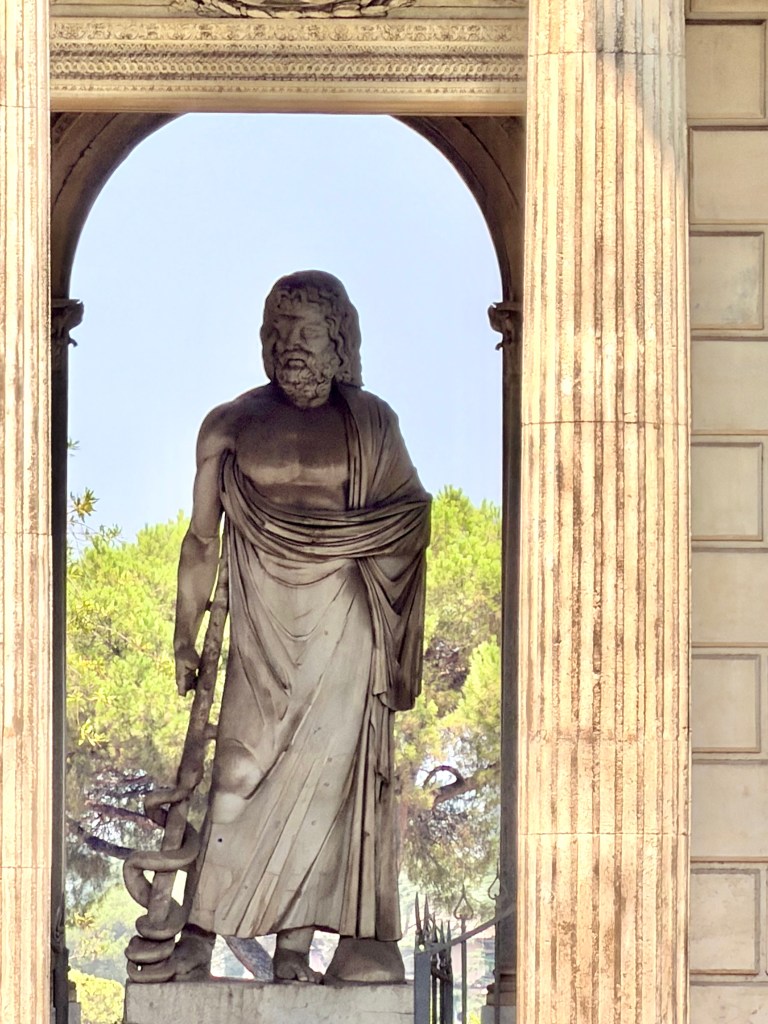
Statue of Asclepius, Temple of Aesculpapius, Villa Borghese, Rome
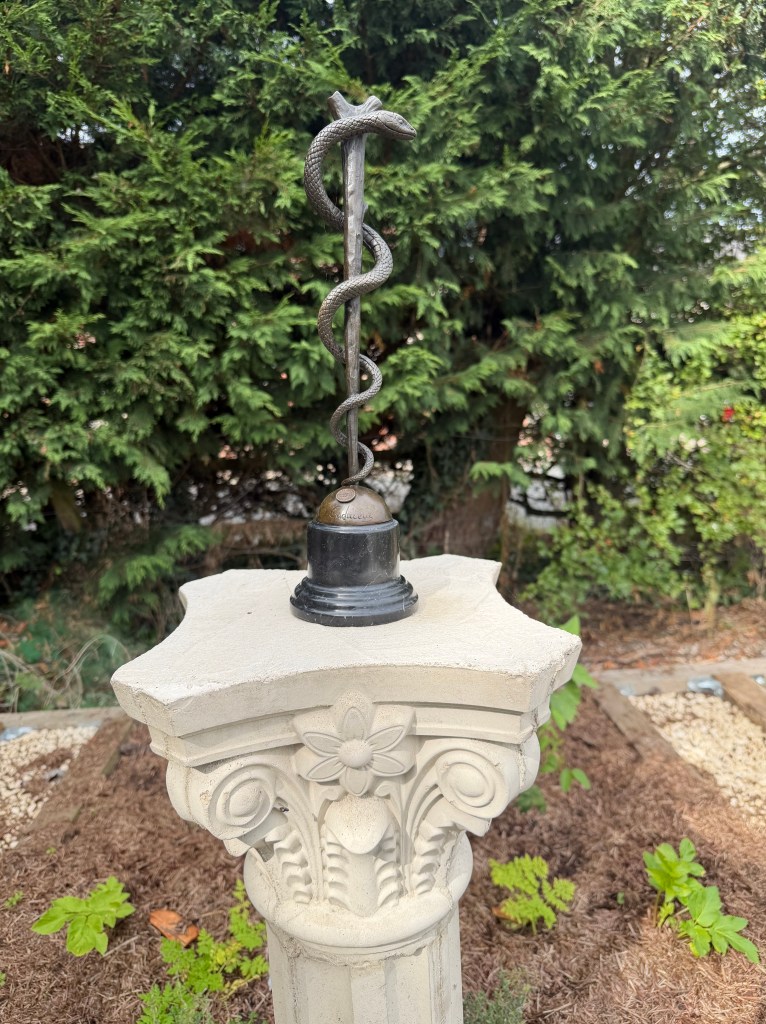
The Rod of Asclepius — a single serpent entwined around a staff — has represented healing and medicine since antiquity. Asclepius was the Greek god of medicine, and his staff became an enduring symbol of the physician. It stands at the centre of our Physic Garden, linking the ancient traditions of healing with the medicinal plants growing around it.
Three Beds, Three Stories
Bed One – Cottage Remedies
This bed brings together plants associated with the everyday medicine of the home: herbs and flowers used for simple remedies, soothing preparations and practical household care. Many were familiar plants of the cottage garden, valued as much for their usefulness as for their beauty.
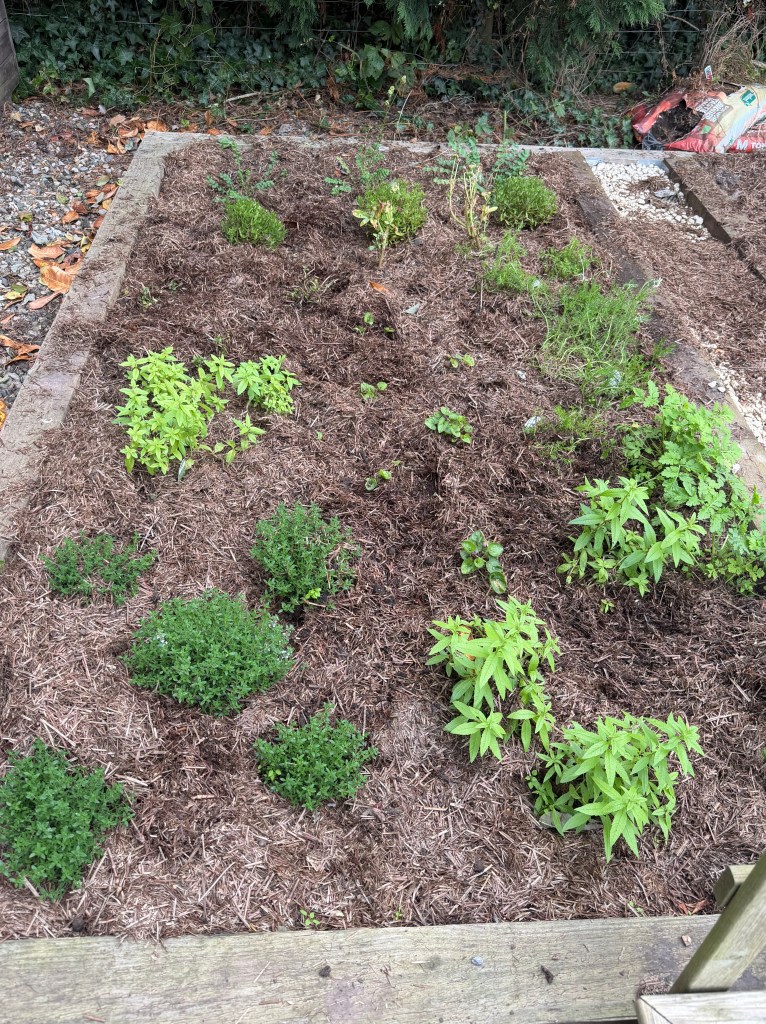
Bed Two – The Physician’s Garden
This bed represents the more formal tradition of herbal medicine: plants associated with physicians, apothecaries and the developing study of materia medica. At its centre stands the Apothecary’s Rose, linking the garden to the long history of medicinal plant use.
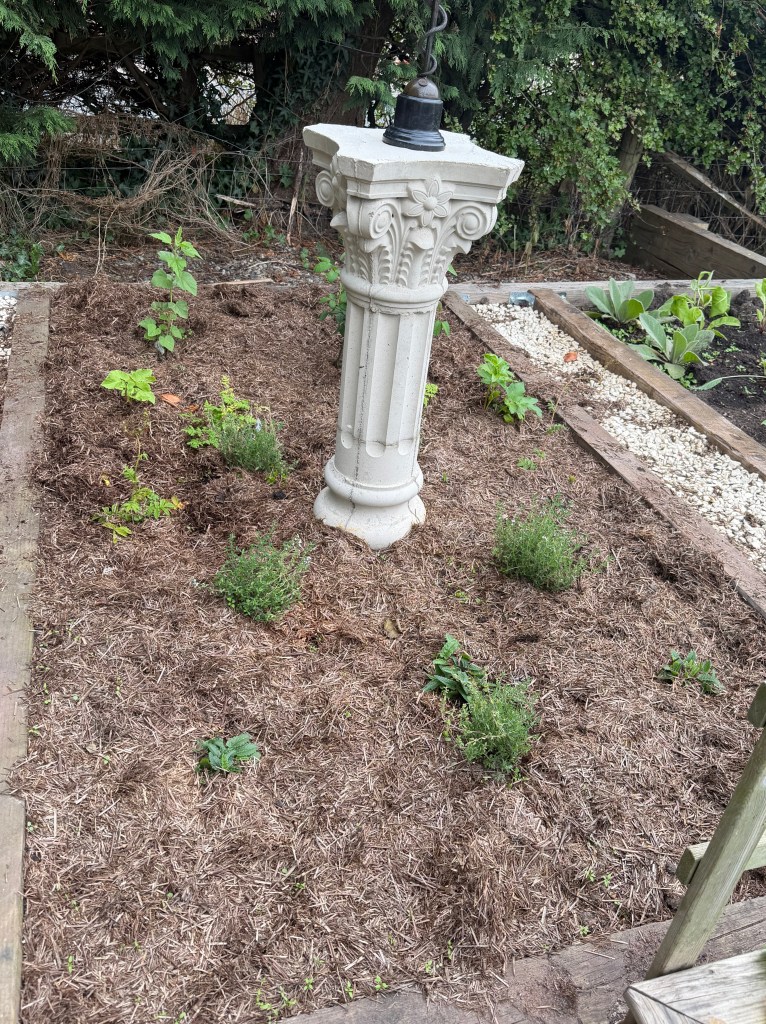
Bed Three – Potent and Specialist Medicines
This bed contains plants whose effects are stronger, more specialised or potentially hazardous. Some became important sources of modern medicines; others illustrate how closely healing and toxicity can sit together in the history of plant-based medicine.