Bed 2 – The Physician’s Garden
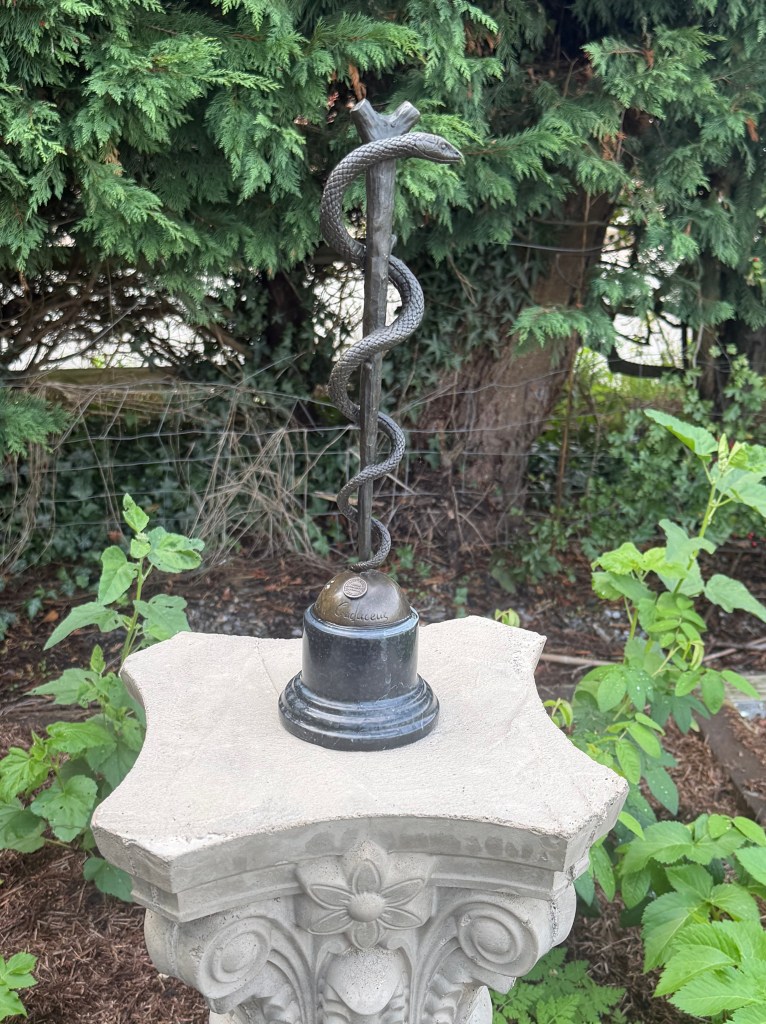
This bed represents the more formal medicinal tradition of the physic garden: plants associated not simply with household remedies, but with the wider practice of herbal medicine and the materia medica of earlier physicians and apothecaries.
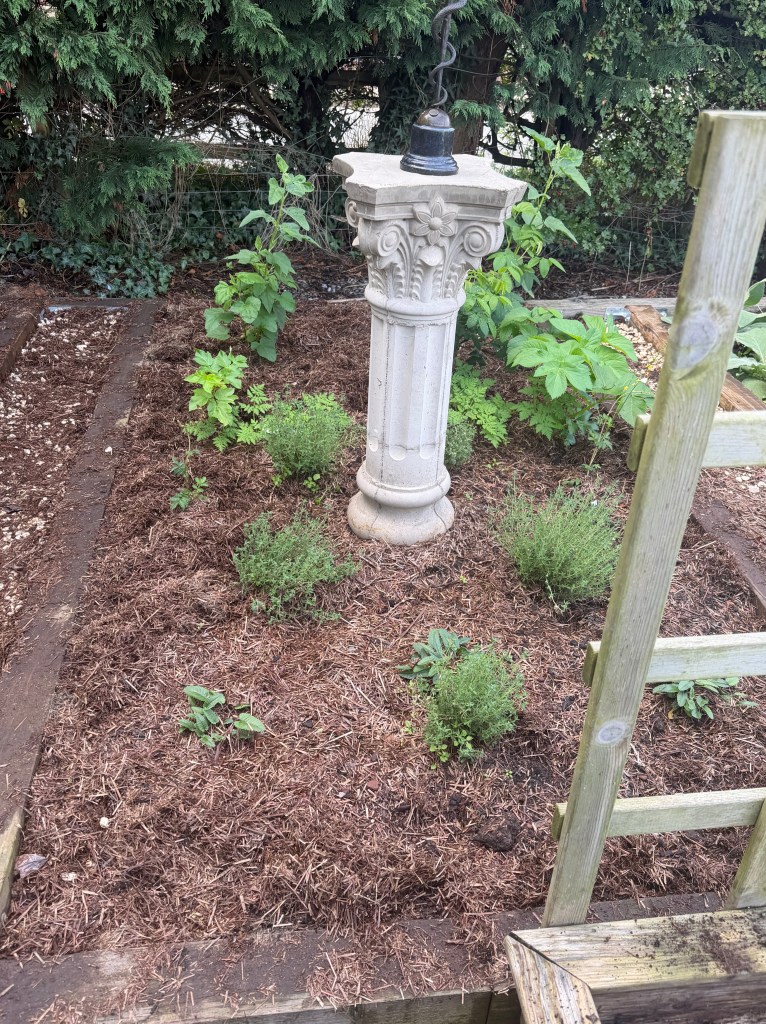
Some were used for digestive or respiratory complaints, others for wounds, inflammation or general restorative purposes. The bed also includes the Apothecary’s Rose, one of the most historically important medicinal roses, while thyme forms part of the planting around the central plinth.
Angelica
Angelica archangelica
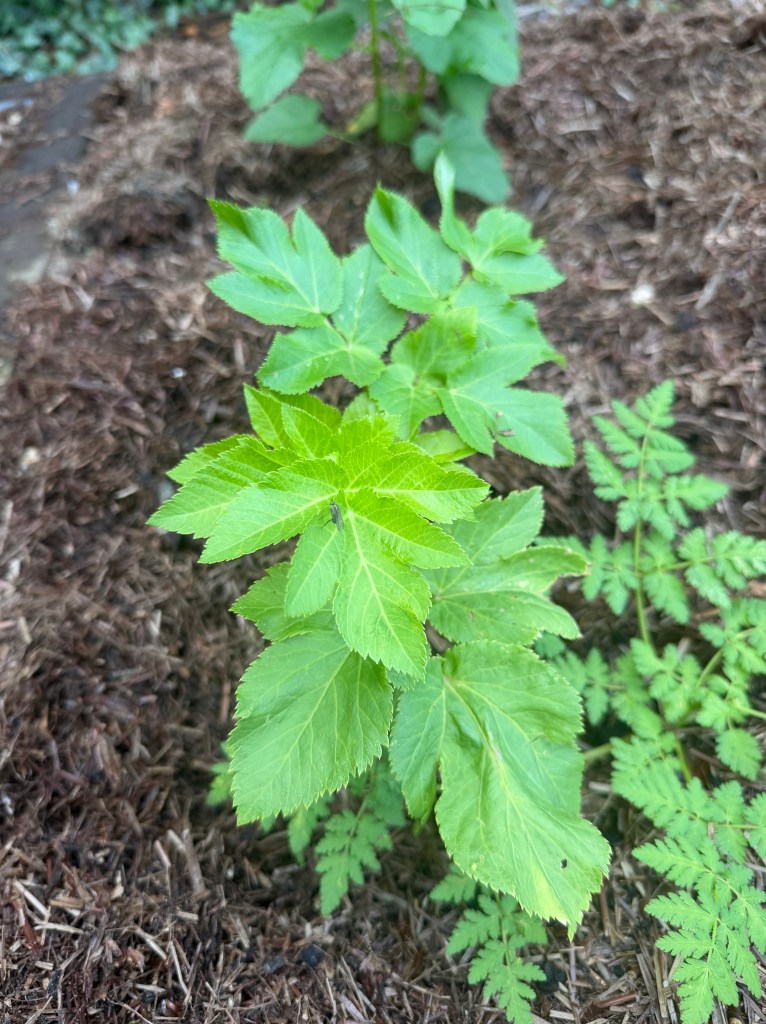
Angelica was a highly regarded medicinal and culinary plant in medieval and early modern Europe. Its aromatic roots, stems and seeds were used in preparations for digestive complaints, poor appetite and respiratory symptoms.
The plant also acquired a reputation as a protective herb and was sometimes associated with remedies against epidemic disease.
Traditional uses: indigestion, flatulence, poor appetite, coughs and general weakness.
Active compounds / modern evidence: angelica contains aromatic compounds including α-pinene, β-phellandrene and other terpenes, together with coumarins such as imperatorin and osthole. Laboratory studies show antispasmodic, antimicrobial and anti-inflammatory effects, but good-quality human clinical evidence is limited.
Caution: some angelica species contain furanocoumarins, which can increase sensitivity of the skin to sunlight. Concentrated preparations should therefore be used with care.
Marshmallow
Althaea officinalis
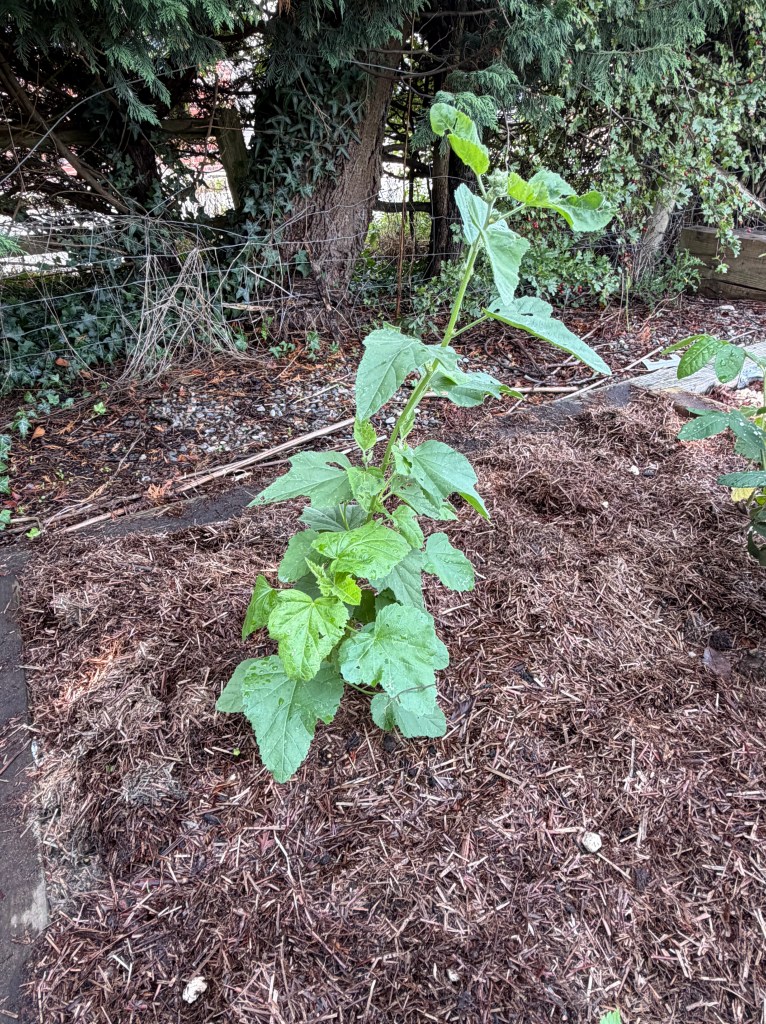
Marshmallow has been used medicinally since antiquity. Its roots and leaves are rich in mucilage, giving preparations a soft, slippery texture.
This made marshmallow particularly valued for soothing irritated tissues, especially in the throat and digestive tract.
Traditional uses: dry cough, sore throat, irritation of the mouth and throat, and mild gastrointestinal discomfort.
Active compounds / modern evidence: the root contains high levels of mucilage polysaccharides, which form a protective coating over mucous membranes. This is a genuine physical pharmacological effect rather than merely a historical belief. Modern herbal authorities recognise marshmallow root for soothing irritation of the mouth, throat and associated dry cough.
Caution: because the mucilage can potentially slow absorption of other medicines, oral medicines are best taken separately from concentrated marshmallow preparations.
Betony
Stachys officinalis
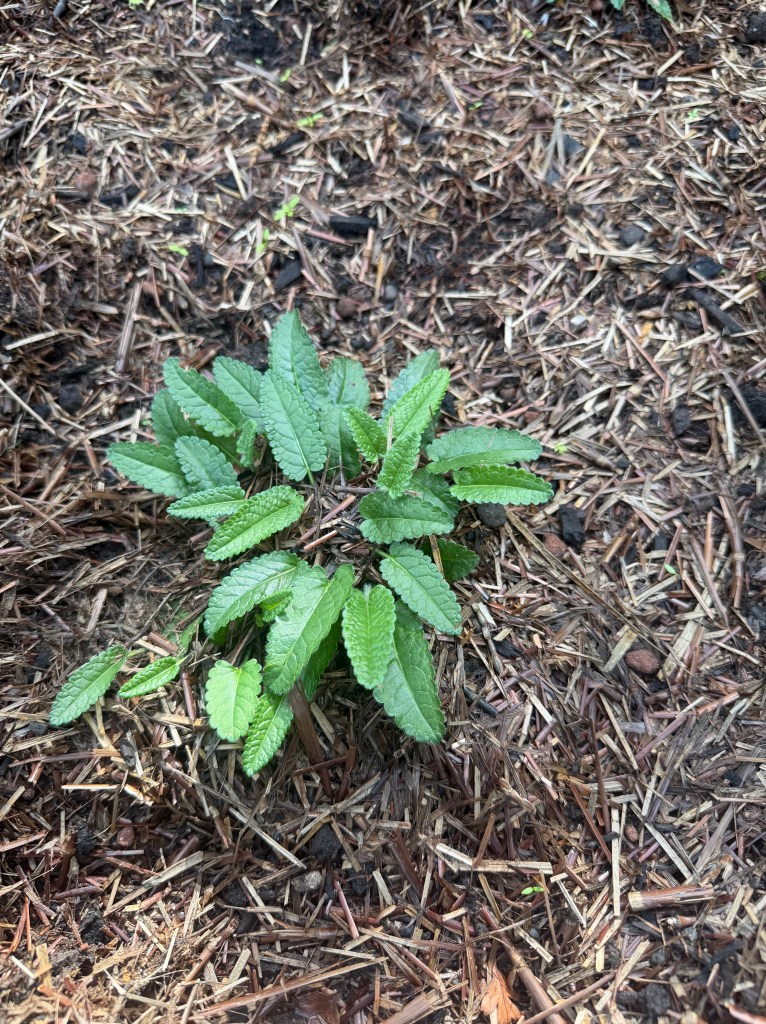
Betony was once considered one of the great medicinal herbs of Europe. Medieval herbals credited it with an extraordinary range of uses, from headaches and digestive complaints to wounds and nervous disorders.
Its reputation was once so great that an old saying compared a particularly virtuous person to someone possessing “as many virtues as betony”.
Traditional uses: headaches, nervous complaints, digestive problems, wounds and general restorative tonics.
Active compounds / modern evidence: betony contains phenolic acids, flavonoids, tannins and iridoid glycosides. Laboratory studies suggest antioxidant, anti-inflammatory and antimicrobial activity, but there is little reliable clinical evidence in humans to support the very broad medicinal reputation it once enjoyed.
Caution: this is a particularly good example of a plant whose historical reputation greatly exceeds the strength of modern clinical evidence.
Agrimony
Agrimonia eupatoria
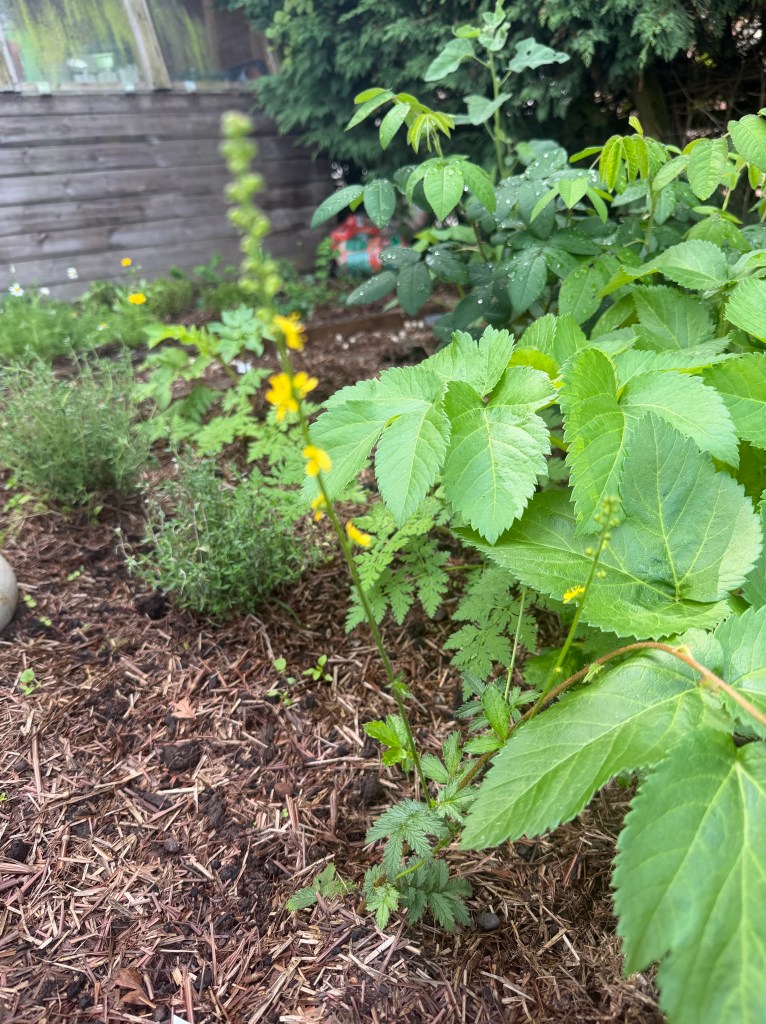
Agrimony has a long history in European herbal medicine. Its flowering tops were commonly used in infusions and washes.
The plant was especially associated with digestive complaints, sore throats and minor wounds.
Traditional uses: diarrhoea, digestive upset, sore throat, minor wounds and skin complaints.
Active compounds / modern evidence: agrimony contains tannins, flavonoids and phenolic compounds, which help explain its traditional astringent use. Laboratory studies show antioxidant, antimicrobial and anti-inflammatory effects, but human clinical evidence remains limited.
Caution: its tannin content means that very concentrated preparations may irritate the stomach or interfere with the absorption of some medicines.
Sweet Cicely
Myrrhis odorata
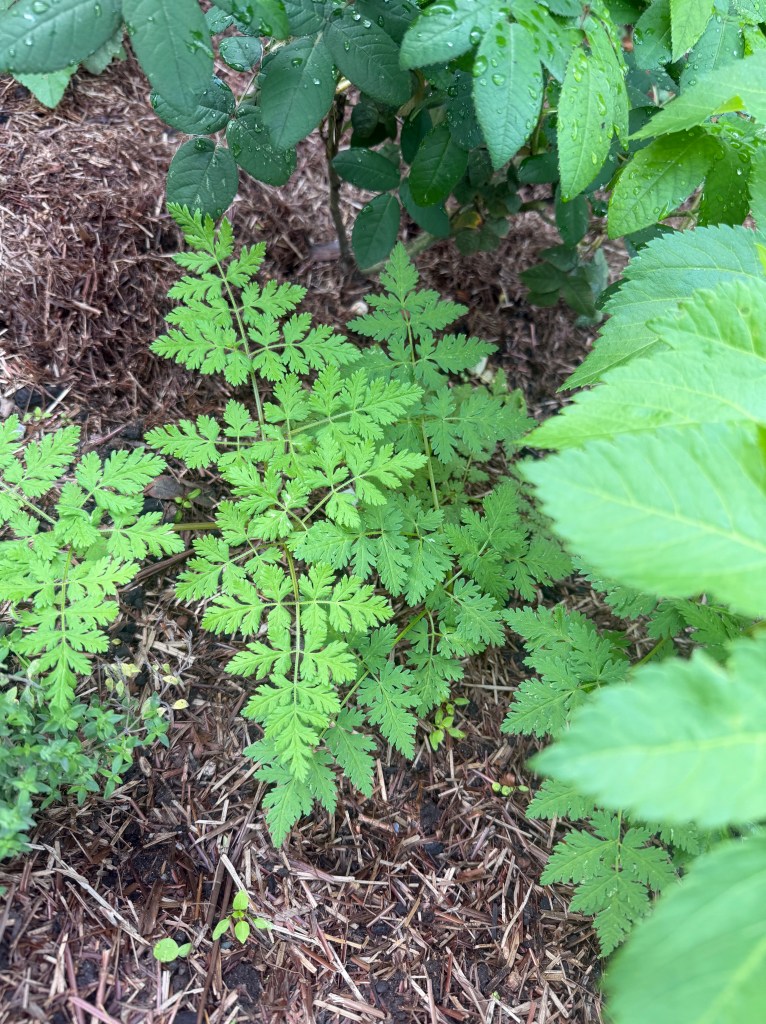
Sweet cicely has been valued both as a culinary and medicinal herb. Its leaves and seeds have a distinct sweet, anise-like flavour and were often used to sweeten foods before refined sugar became widely available.
Medicinally, it was associated mainly with digestion.
Traditional uses: indigestion, flatulence, loss of appetite and as a gently warming digestive herb.
Active compounds / modern evidence: sweet cicely contains aromatic compounds including anethole, which is also found in anise and fennel. These compounds have demonstrated antispasmodic and antimicrobial effects in laboratory studies, but direct clinical research on Myrrhis odorata itself is sparse.
Caution: most modern use is culinary, and there is limited evidence for specific medicinal benefits in humans.
Apothecary’s Rose
Rosa gallica ‘Officinalis’
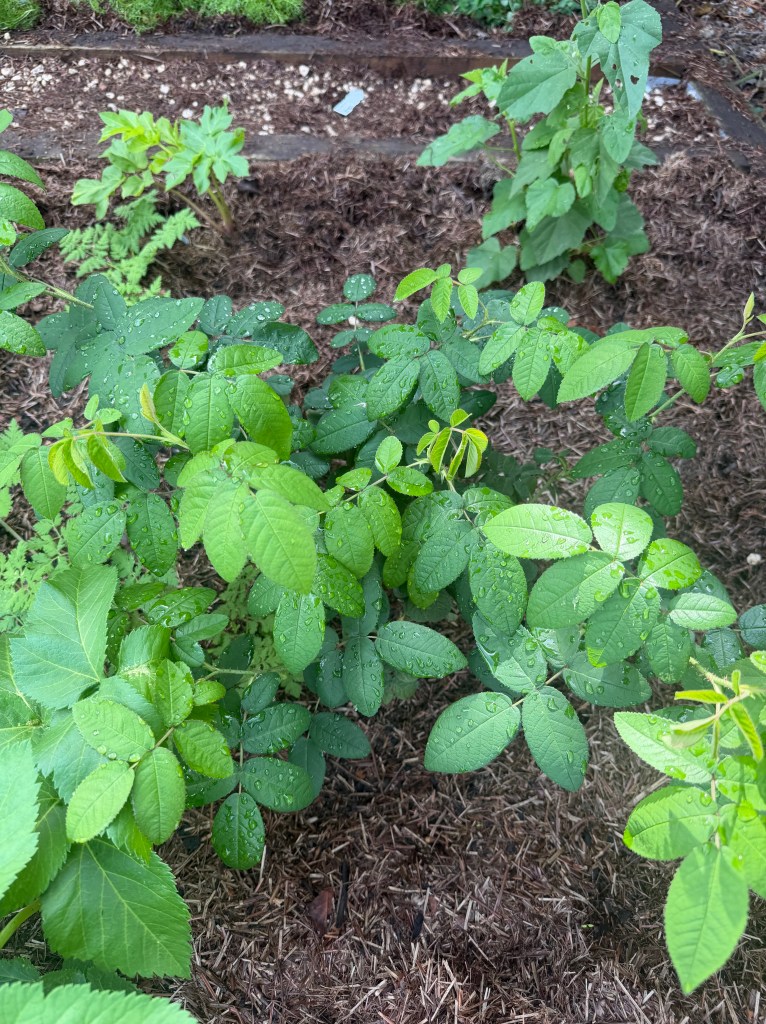
The Apothecary’s Rose is one of the most historically important medicinal roses. It has been cultivated in Europe for centuries and was closely associated with apothecaries and monastic physic gardens.
Its petals were used in rose water, syrups, conserves and topical preparations, and were valued both medicinally and for their fragrance.
Traditional uses: mouth and throat preparations, digestive remedies, skin preparations, rose water and restorative syrups.
Active compounds / modern evidence: rose petals contain polyphenols, flavonoids, tannins and aromatic compounds. These substances show antioxidant and mild antimicrobial activity in laboratory studies. Rose water and rose extracts also have soothing and astringent properties, although robust clinical evidence for many of the traditional medicinal claims is limited.
Caution: culinary and cosmetic use is generally mild, but concentrated essential oils and extracts are much more potent than ordinary rose-water preparations.
Foxglove
Digitalis purpurea
Foxglove is one of the clearest examples in the physic garden of a traditional medicinal plant leading directly to a major modern drug.
Historically, foxglove was used for a variety of complaints, including dropsy — the old term for oedema. Its medical importance changed dramatically in the eighteenth century, when William Withering systematically described its use in patients with dropsy.
Traditional uses: dropsy/oedema and, historically, a wide range of other complaints.
Active compounds / modern evidence: foxglove contains cardiac glycosides, including compounds related to digitoxin and digoxin. These increase the force of cardiac contraction and alter conduction through the heart. Unlike many traditional herbal remedies, this is a case where the pharmacological effect is powerful, well established and directly relevant to modern medicine.
Caution: foxglove is highly poisonous. The therapeutic and toxic doses are close together, and ingestion of the plant can cause nausea, visual disturbance, dangerous arrhythmias and death. It should never be used as a home herbal remedy.
Common Thyme
Thymus vulgaris
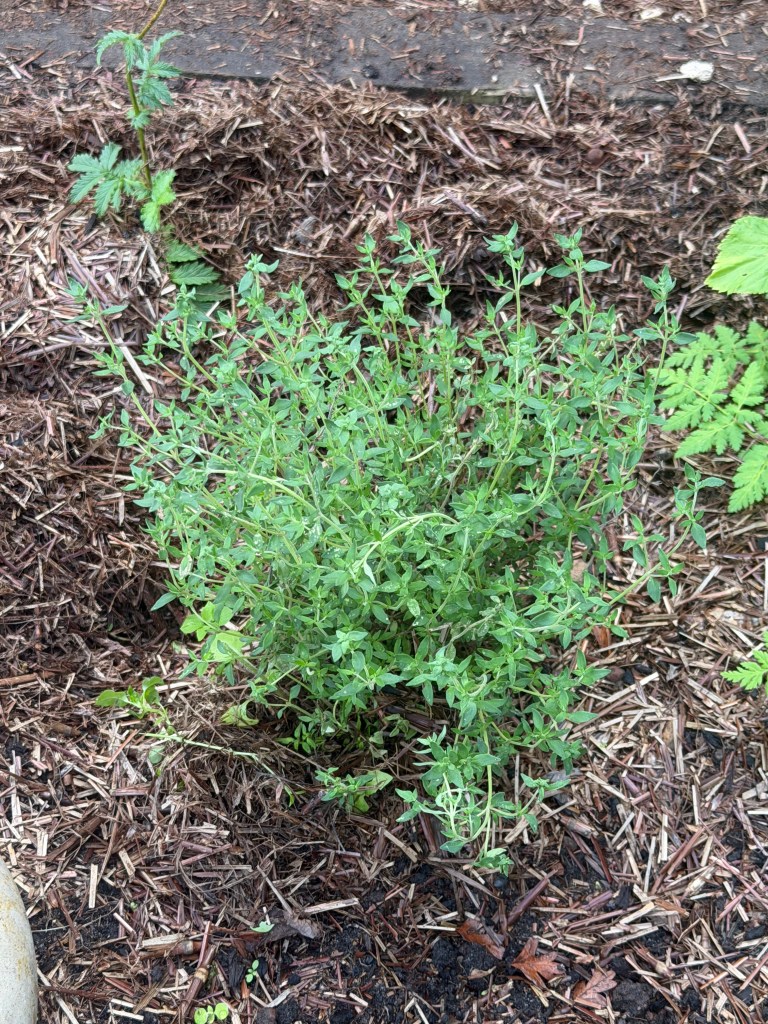
Thyme has been valued for centuries as both a culinary herb and a medicinal plant. In this bed it also forms part of the planting around the central plinth.
Preparations of thyme were traditionally used especially for coughs, colds and digestive complaints.
Traditional uses: productive cough, respiratory catarrh, indigestion and antimicrobial preparations.
Active compounds / modern evidence: thyme essential oil contains thymol and carvacrol, compounds with well-established antimicrobial activity in laboratory studies. Thyme also has plausible expectorant and antispasmodic effects, and modern herbal authorities recognise its traditional use in cough associated with colds.
Caution: culinary thyme is quite different from concentrated thyme essential oil. Essential oil should not be regarded as simply a stronger version of the herb and can irritate the skin and mucous membranes.
From household herb to materia medica
The plants in this bed illustrate the gradual development of herbal medicine from domestic practice into a more organised materia medica.
Some, such as marshmallow and thyme, contain compounds whose effects fit remarkably well with their traditional uses. Others, such as betony, were credited historically with far more medicinal power than modern evidence can support.
Together they show both the insight and the limitations of early herbal medicine, and the long path from observation and tradition to modern pharmacology.
Please note: the historical uses described on this page are included for educational interest and should not be taken as medical advice. Some medicinal plants can cause adverse effects or interact with conventional medicines.

